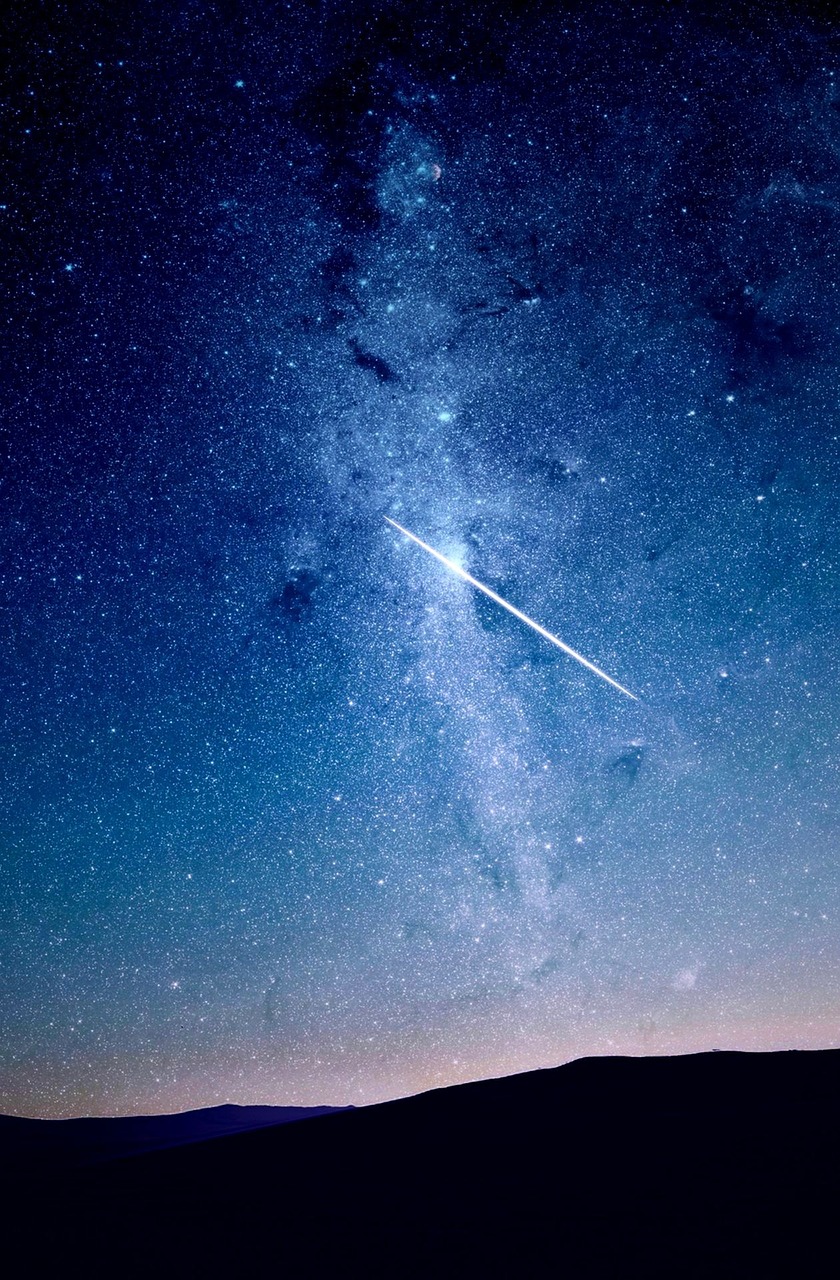
As we watched the story unfold in this particular year, the teacher would tell part of the story and each child would come and put up their piece on the flannel board. As she came to the part about the shepherds watching their flocks by night, one little boy leapt up and said, “I have the dark!”
I have the dark.
I’ve been thinking a lot about that incident this week, not just because today is the solstice.
The little boy wasn’t bothered about what he had. The dark was as much a part of the story as everything else. The sheep, the star, the manger, the dark.
Today’s readings take place mostly in the dark.
Not the cozy, candlelit kind of dark.
But the kind where you don’t know what comes next.
The kind where God hasn’t explained the Divine actions yet.
The kind where you have to decide what to do before everything makes sense.
That’s where God seems to like to work.
Isaiah meets King Ahaz in a moment of fear. The Assyrian nation is threatening. The future feels fragile. And God says, Ask for a sign.
Ahaz refuses to ask, not because he is faithful, but because he is fearful. God gives a sign anyway:
A young woman is with child and shall bear a son, and shall name him Immanuel.
This is not a lightning bolt miracle.
It is not a military solution.
It is a pregnancy, a regular everyday nativity.
Something hidden.
Something slow.
Something that looks ordinary at first glance.
God’s promise does not arrive fully formed.
It grows in the dark.
The psalm picks up the cry of people still waiting:
Restore us, O God; let your face shine, that we may be saved.
They are asking for light.
They are begging for clarity.
But consider: this prayer itself comes from the shadows,
from a place of displacement and longing,
From a place where the ending cannot be clearly seen.
Faith, here, is not confidence.
Faith is calling out when you cannot yet see.
Faith is not the absence of doubt, but action in spite of doubt.
Paul, writing to the Romans, speaks as though the promise is already fulfilled.
He talks about Jesus as both descended from David and declared Son of God with power.
But remember—when Paul writes this, the world has not changed much at all.
Rome is still Rome.
The church is small.
Suffering continues.
And Paul is under house arrest as he writes.
He knows he’s not getting out of this alive for this life.
He is not ignoring the darkness.
He is interpreting it.
God’s power, Paul insists, does not cancel human weakness.
God understands it. God accounts for it.
God moves through the way humans are because this is how we are made and how we be..
And then there is Joseph.
Matthew tells us plainly: Joseph was a righteous man.
Which means he follows the law.
Which also means he has every reason to walk away.
Mary’s pregnancy puts him in a nearly impossible place.
Public shame.
Private heartbreak.
A future rewritten without his consent.
Joseph does not get a sermon.
He does not get an explanation.
He gets a dream.
And in that dream, God does not say, “Here is how everything will turn out.”
God says, Do not be afraid.
That is what God says when full clarity is not available.
Joseph wakes up still in the dark.
Still facing rumors.
Still without proof.
And Matthew says, He did as the angel of the Lord commanded him.
Joseph looked at what he had and said, “I have the dark”. And he acted accordingly with his part of the story.
Not with complete certainty.
Not with complete understanding.
But genuine obedience born of trust that God is present even when the light is dim.
Advent 4 reminds us that God’s greatest work begins unseen.
In a womb.
In a dream.
In a prison cell.
In a decision made quietly, without applause.
We often want God to work by fixing, solving, explaining.
But God works in the dark.
Slowly.
Patiently.
In the dark.
If you are waiting right now—
If you are holding questions you cannot answer—
If you are doing the next right thing without knowing where it leads—
You are not faithless.
You are in Advent.
Immanuel means God with us.
Not God after the confusion clears.
Not God once the fear is gone.
God with us when the wind blows.
God with us when the trees fall.
God with us when death follows death, and grief seems not to end.
We can have the dark.
God is with us, right here.
In the shadows.
In the waiting.
In the waiting before Christmas dawns.
In the dark is where salvation begins.
Amen.
Comments